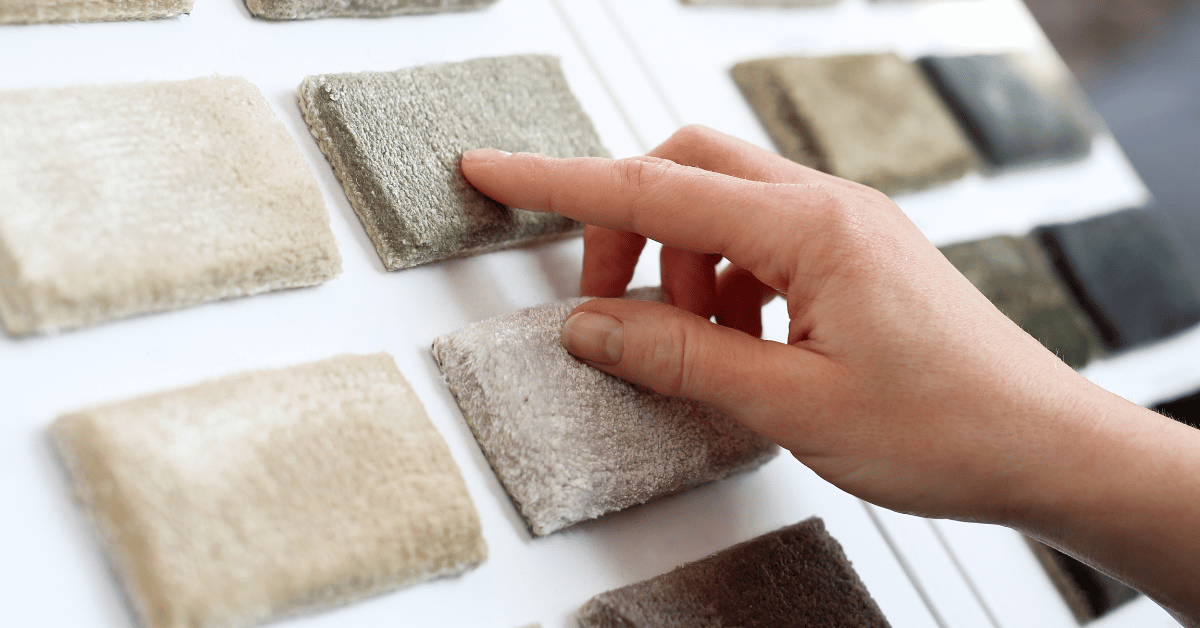
Rugs are not merely decorative elements: they shape and define the character of homes.
This article compiles the types of rugs that interior design experts recommend avoiding.
An incorrect choice can cause not only aesthetic disruption but can also be disadvantageous from a practical perspective. The five most critical rug types to be cautious of are presented below, in order to create perfect harmony in the home.
With this information, making decisions when designing a stylish and functional home becomes easier.
Overly loud colours
Much like overly strong spices in food, rugs with excessively vibrant colours can disrupt the harmony of a room.
These rugs are like a loud siren in a quiet library: they completely disrupt the peace of the room. Balance and harmony should be sought when choosing colours.
Rugs with subtle yet characterful colours that expand rather than suffocate the space are preferred.
For example, a grey or beige rug fits perfectly into most interiors, lending elegance and warmth without causing intense visual noise.
Overly thick-pile rugs
Very thick-pile rugs are like comfortable but high-maintenance furniture.
Although thick fibres that appear soft and warm can be attractive, these rugs often become invisible hiding places for dust and dirt. Like a dense thicket where every small bit of dirt can hide, cleaning high-pile rugs poses a serious challenge.
Rugs with a simpler weave and easier maintenance are recommended.
For example, a medium-pile rug with simple cleaning requirements can be an ideal choice, as it maintains comfort while facilitating regular maintenance.
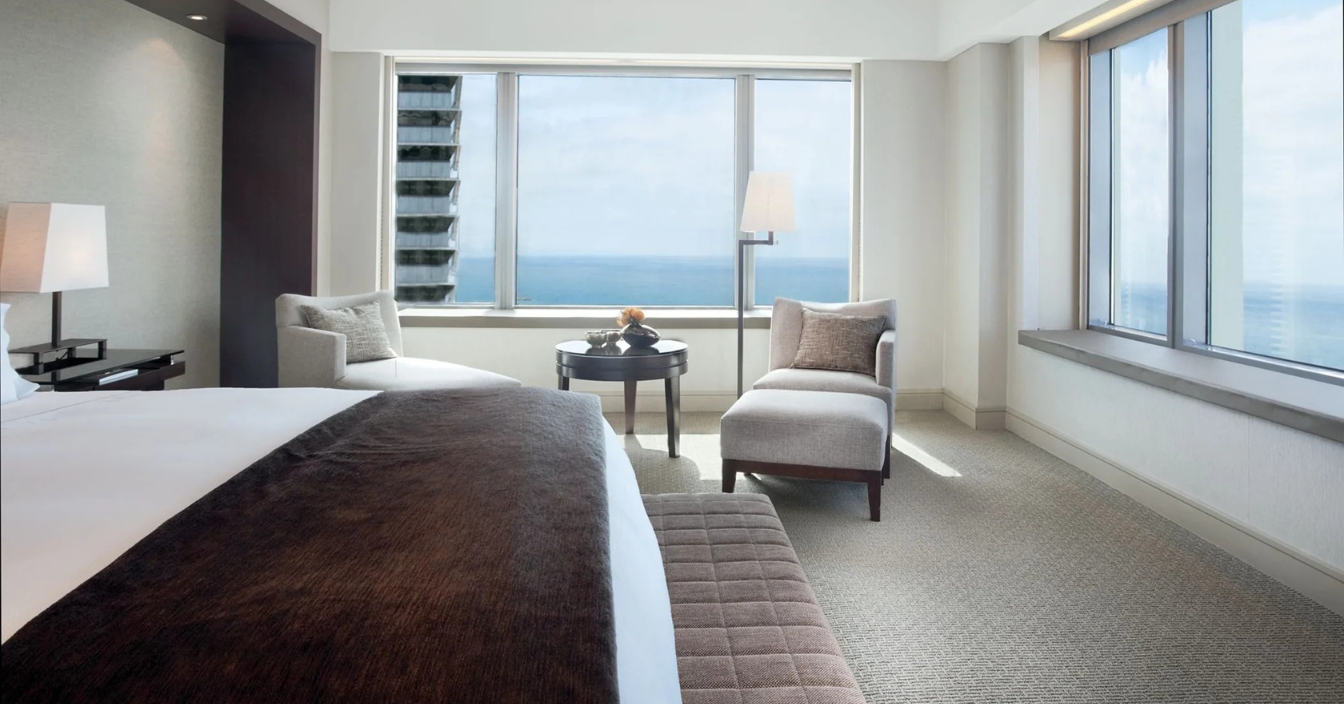
Overly small patterns
Rugs with small, detailed patterns are like an overcrowded collection of souvenirs: while they can be unique and interesting, they can easily overwhelm the eye and make the space feel oppressive.
These patterns tend to lose their impact in larger rooms and often serve merely as visual noise. Instead, simpler patterns with clean lines are recommended, contributing to a clean and calm atmosphere in the room.
For example, a large rug with a geometric pattern or a solid colour can perfectly complement modern or minimalist rooms without becoming overly dominant in the decor.
Overly low-quality materials
Just like a garment made of poor-quality material, low-quality rugs cannot maintain their appeal in the long term.
These rugs tend to wear out quickly, lose their colour, and show signs of use within a short period. Therefore, investing in a premium quality rug not only serves aesthetics but is also a more economical decision in the long run.
It can be thought of as a high-quality piece of furniture that remains beautiful for years and adds to the style of the home. Quality rugs not only elevate the visual appeal but also enhance home comfort while creating long-term value.
Trendy but non-timeless styles
In the world of interior design – just like in fashion – there are short-lived trends that quickly fade into obscurity.
These trendy rugs, like seasonal fashion items, quickly lose their relevance and can soon become outdated in homes. Instead, choosing styles that are timeless and fit the atmosphere of the rooms in the long term is advisable.
For instance, a classic rug with a clean design elegantly complements the atmosphere of the space without becoming outdated as fashion changes. Such a choice is not only aesthetically beneficial but also a long-term investment in the style of the home.
In summary
Rugs, therefore, are not merely decorative elements: they shape and define the character of homes. An incorrect choice can cause not only aesthetic disruption but can also be disadvantageous from a practical perspective. Equipped with this information, making decisions when designing or renovating a stylish, functional, and aesthetic home becomes easier.