
When it comes to renovation, the goal is often to make a home not only more beautiful but also more comfortable and functional.
Underfloor heating is an innovative solution that not only provides warmth for the feet but also enhances the atmosphere of the entire home. By choosing the right flooring, heat distribution can be optimised, and the aesthetics of the home can also be elevated.
But how to choose? The following details provide the answers.
The best flooring options for underfloor heating - what to look out for?
When opting for underfloor heating, it is important to select the flooring accordingly. Different flooring types offer numerous advantages, but their disadvantages must also be taken into account.
Below is an overview of the advantages and disadvantages of each flooring type.
Ceramics and tiles
Ceramic tiles and slabs possess excellent thermal conductivity, meaning they conduct heat quickly and evenly. They represent an ideal choice when rapid response times and efficient heat distribution are required.
At the same time, it must be noted that they can scratch easily, are fragile, and can become slippery when wet. In the long term, they may not withstand everyday challenges.
Natural stone (e.g. marble, granite)
These floorings are aesthetically stunning and offer excellent thermal conductivity. They retain heat over the long term, making them energy-efficient.
However, they are expensive, and wear and tear leaves its mark over time as they wear down. Furthermore, certain stones can stain when in contact with acidic substances (such as lemon juice).
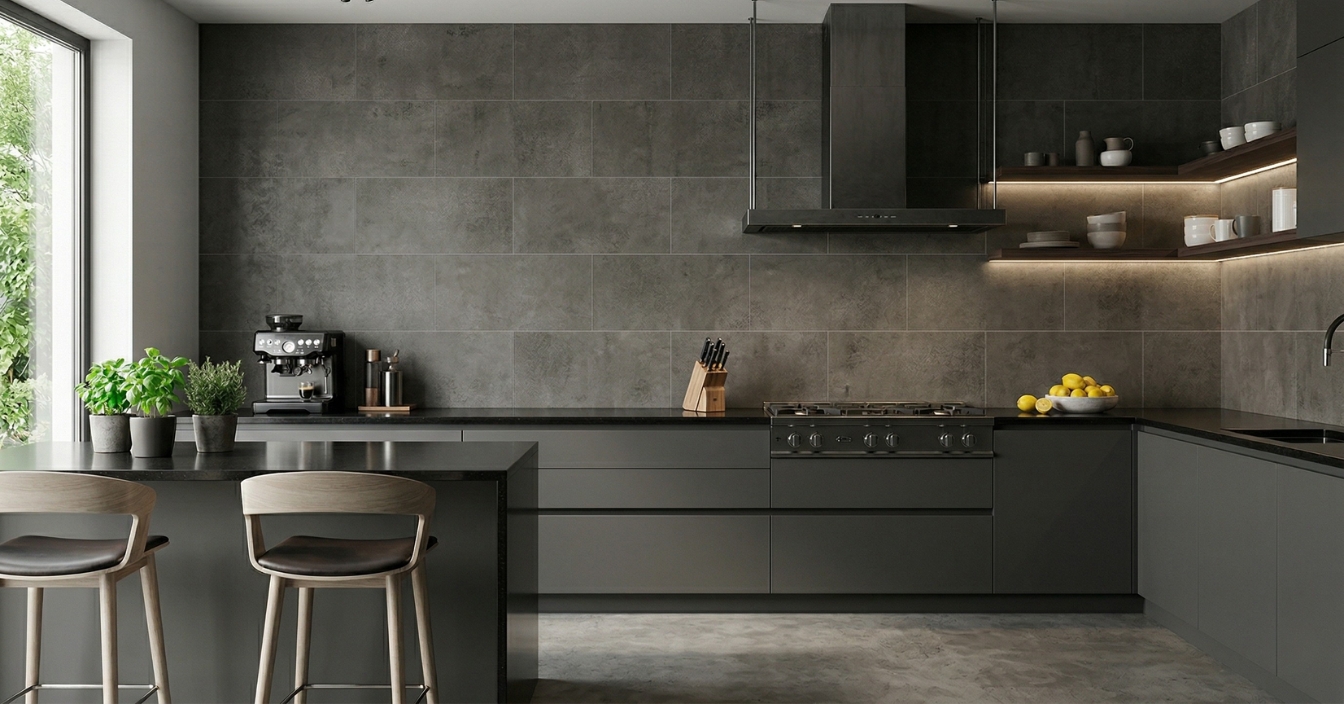
Vinyl and PVC
These classic floor coverings are flexible, allowing them to adapt easily to underfloor heating, and they also feature excellent thermal conductivity.
In the long term, however, they can discolour even under the influence of sunlight streaming through windows. Some vinyl floors scratch or dent easily, requiring more frequent replacement if aesthetics and comfort are key considerations.
Wood (e.g. thin parquet)
Parquet flooring is highly favoured for providing a natural and warm appearance to rooms. It conducts heat well, especially in thinner versions.
However, wood can easily warp or crack due to temperature fluctuations. Furthermore, wood is sensitive to moisture, making it less than ideal for kitchens, hallways, or bathrooms.
Mineral composite SPC flooring
Mineral composite floorings are modern in appearance and aesthetically stunning. They possess excellent thermal conductivity and are lightweight yet durable. Although they represent a higher investment compared to other alternatives, their advantages make them an ideal choice.
Underfloor heating and CERAMIN - maximising home value and comfort
Underfloor heating is not a luxury, but a practical investment. It provides even heat distribution throughout the home, eliminates visible radiators, and allows rooms to be utilised much more efficiently.
CERAMIN flooring is the ideal covering solution that goes hand in hand with underfloor heating. CERAMIN tiles are manufactured using the latest technology, which guarantees a long lifespan and excellent thermal conductivity. Thanks to its technical properties, it is the best choice alongside underfloor heating.
This allows for the same premium quality flooring to be installed in every room of the home, whether it is the living room, bedroom, or even the bathroom. CERAMIN floorings are waterproof, meaning they easily withstand wet conditions in kitchens and bathrooms alike.
The combination of uniform design and high functionality increases the value of the home and the quality of life for its residents.
The combination of underfloor heating and the right flooring is the key to increasing home comfort and value. With their excellent thermal conductivity properties and modern design, CERAMIN floorings guarantee long-term satisfaction.